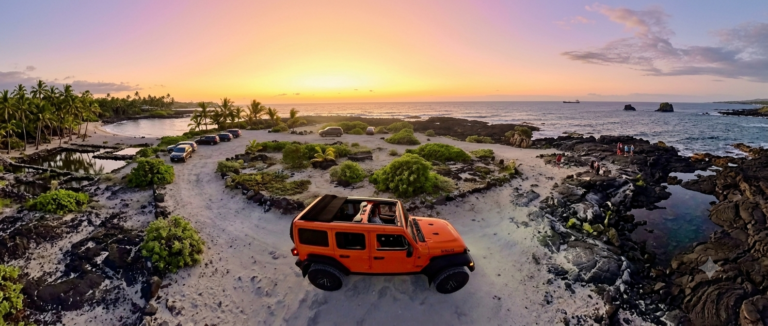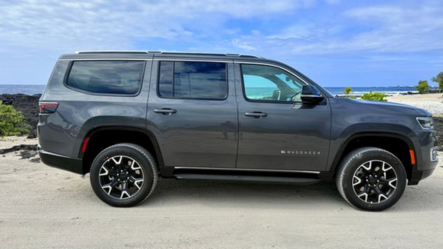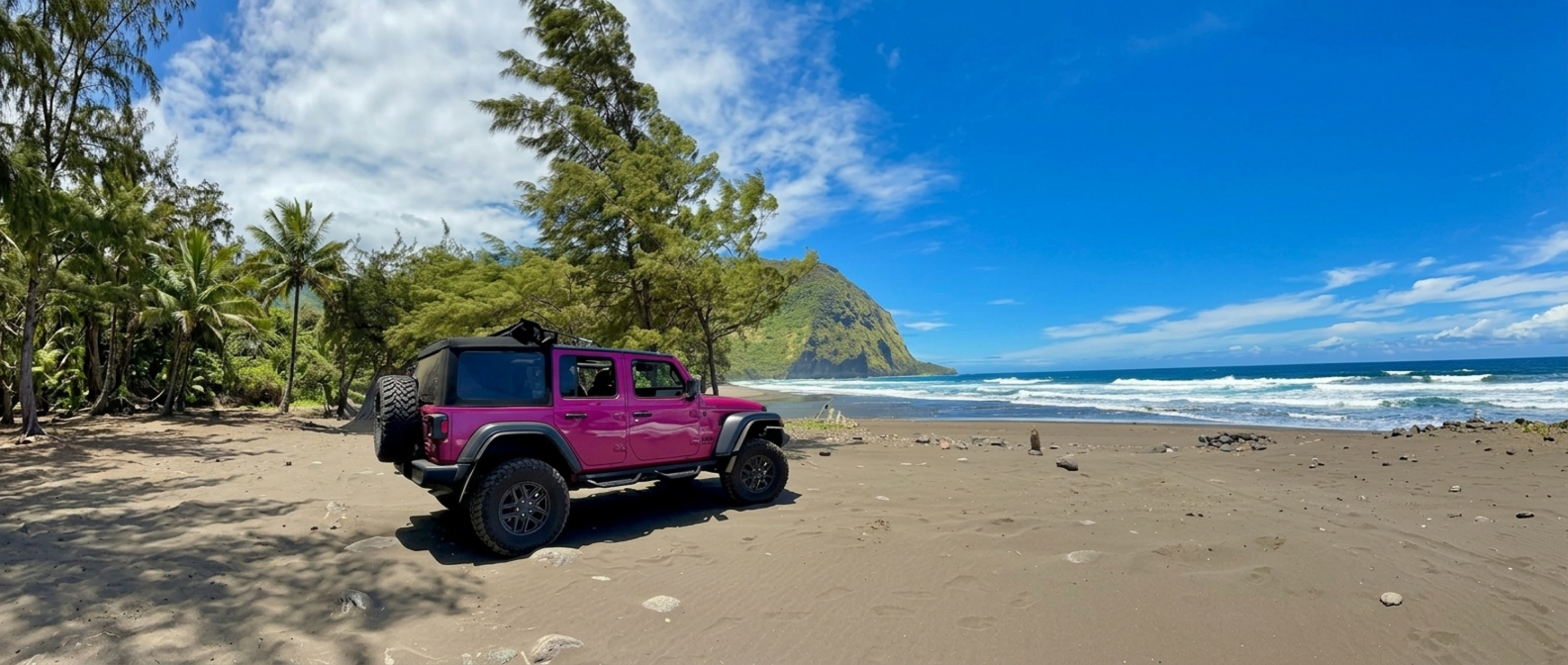
Hawaii doesn’t really have an off-season, and that’s exactly what makes picking the right week to visit feel tricky. The island stays warm through December and stays warm through July, the ocean never turns cold, and the trade winds keep things comfortable no matter the month. So the real question isn’t “when is Hawaii nice” — it’s “when is Hawaii nice and a little less crowded.” That’s the sweet spot this guide is built around, and it’s the same sweet spot that makes booking a car rental in Hawaii and planning your own island route so much more enjoyable.
Hawaii’s Weather, Month by Month
The Big Island runs warm and mild almost every day of the year, with daytime temperatures typically sitting in the mid-70s to mid-80s whether you land in January or August. What actually shifts through the year isn’t temperature so much as rainfall and wind:
- Winter (Dec–Mar): Slightly more rain on the windward side, a bit more surf on north-facing shores, still warm and comfortable overall
- Summer (Jun–Aug): Steadier, drier trade-wind days with the least rain of the year
- Kona side: Sits in the island’s leeward shadow, so it stays sunnier and drier almost every month
- Hilo side: Lush and green because it catches far more rainfall year-round
None of this makes any month “bad” for a trip — it just means some months are calmer, sunnier, and easier to plan around than others. Even during the wetter winter stretch, Kona mornings tend to open clear and calm, with any rain showing up later in the day and clearing out fast.
The Shoulder Seasons Are the Real Sweet Spot
If you want warm weather without the peak-season hustle, aim for these windows:
- Late April through early June — warm, dry, and right after spring break traffic clears out
- September through mid-November — warm ocean temperatures with noticeably lighter crowds
These shoulder months sit between the big travel surges, so beaches feel roomier, popular lookouts are easier to park at, and restaurants aren’t running an hour-long wait most nights. Airfare and lodging also tend to ease up during these windows, which means your rental car budget can stretch a little further. Whether you’re booking a rental car on Big Island Hawaii for a full loop of the island or keeping things simple with a Kona-based itinerary, shoulder season gives you the same scenery with a lot less waiting around.
The weeks to plan around, if your schedule allows it:
- Mid-December through New Year’s — the biggest holiday travel surge of the year
- The week around Presidents’ Day — a smaller but noticeable spike
- June through early August — the longest sustained peak-crowd stretch
Shift even two or three weeks earlier or later than those peaks and the difference is noticeable — the same beach that felt packed at 10 a.m. in July can feel almost private at the same hour in late September.
Traveling to Hawaii with Kids
Families asking about timing usually have a slightly different question in mind: not just “when’s the weather good” but “when will this actually be relaxing with kids in tow.” Shoulder season answers that too:
- Shorter lines at family-favorite stops mean less standing around with tired toddlers
- Lighter beach crowds make it easier to keep an eye on everyone at once
- Traveling outside the big school-break windows means better vehicle availability, since you’re not competing with every other family booking the same week
- A looser daily schedule — built around nap times instead of tour departure times — becomes realistic instead of a gamble
A rental built for families changes the whole rhythm of the trip. Being able to pull over for a shave ice run, stretch a beach stop by twenty minutes, or turn around because someone needs a nap is a lot easier when you’re not locked into a rigid tour’s timing. That flexibility is really the whole point of choosing Hawaii jeep rentals over a more rigid way of getting around — the island moves at your family’s pace instead of the other way around.
Why a Kona Jeep Rental Fits the Shoulder-Season Trip
Kona’s leeward location already keeps it drier and sunnier than most of the island most of the year, which is part of why it’s such a popular base for a road-trip-style vacation. A Kona jeep rental gives you:
- Ground clearance and confidence for everything from smooth coastal highways to rougher park access roads
- Good light for photos at the lookouts during shoulder-season’s long, clear days
- Room to detour whenever the plan changes, without waiting on a tour schedule
- A lot more breathing room at trailheads and beach parks that get packed during peak weeks
Booking Your Car Rental in Kona, Hawaii
Shoulder season is also simply the easier time to book. Vehicles that get reserved months in advance during summer and the winter holidays tend to have more open availability in the spring and fall windows, so you have a better shot at the exact model, seating, or roof style you want. Before booking a car rental in Kona, Hawaii, it helps to decide:
- Hard top or soft top for your driving plans
- How many suitcases you’re packing, so cargo space fits
- Whether you need extra seating for a bigger group
- Your pickup date, time, and vehicle class, locked in a few weeks ahead
Booking early means less last-minute scrambling and more time actually planning the drive — Mauna Kea Summit, Waipiʻo Valley overlook, the Volcanoes National Park loop, or a slow morning working down the Kohala coast. It also keeps the whole start of the trip simple: no counter lines, no upsell conversation, just a fueled Jeep ready when you land.
Planning the Trip Itself
Once you’ve picked your window, the planning gets simple: warm days, manageable crowds, and a vehicle that can go wherever the plan changes to. That’s really the whole formula for a Hawaii trip that feels relaxed instead of rushed — good weather almost any time of year, paired with a season that isn’t fighting you for parking, tables, or trailhead space. Build the itinerary loose, leave room for detours, and let the shoulder-season calm do the rest.
Ready to Book
If shoulder season lines up with your travel window, that’s the moment to lock in your vehicle. A family-run Hawaii jeep rentals fleet, newer vehicles, and no hidden fees make it easy to hold a reservation in minutes and spend the rest of your planning time on the fun part — deciding where to drive first.
Frequently Asked Questions
1. When is the best time to visit Hawaii for good weather and fewer crowds?
Both windows offer warm, dry weather and lighter crowds, since they fall between the winter holiday rush and the summer break surge.
- Late April through early June
- September through mid-November
2. Is Hawaii ever a bad time to visit weather-wise?
Not really. Temperatures stay warm nearly year-round on the Big Island, with the biggest seasonal changes showing up in rainfall and wind rather than temperature swings.
3. What months should I avoid if I want to skip peak crowds?
- Mid-December through New Year’s
- The week around Presidents’ Day
- June through early August
4. Is Kona drier than the rest of the Big Island?
Yes. Kona sits on the leeward side of the island, which keeps it sunnier and drier than windward areas most months of the year.
5. Do I need a 4WD vehicle to explore the Big Island?
A 4WD vehicle gives you access to more of the island’s terrain, including high-elevation routes and unpaved park and trail access roads that standard sedans aren’t built for.
6. Is shoulder season a good time to travel with kids?
Yes. Lighter crowds mean shorter waits at popular family stops and more breathing room at beaches, which makes the whole day easier with kids along.
7. How far in advance should I book a Kona jeep rental?
Booking a few weeks ahead of a shoulder-season trip gives you the best shot at your preferred vehicle class, seating, and roof style before availability tightens up.
8. What’s included when I book a car rental in Hawaii through a family-run company?
- Unlimited island miles
- 无隐藏费用
- A straightforward, no-upsell booking process from quote to pickup
9. Can I fit a family and luggage into one vehicle?
Larger models with more seating and cargo space are available for bigger families or groups, so you don’t need to split into two vehicles for one trip.
10. Does the weather affect which side of the island I should stay on?
It can. The Kona side tends to stay sunnier and drier, while the windward side sees more rain, so your preferred activities can help decide where to base your stay.
11. Are the roads on the Big Island easy to drive with a rental vehicle?
Most state and county maintained roads, trails, and parks are accessible with the right vehicle, making a self-guided road trip an easy way to see the island.
12. What’s the biggest advantage of visiting during shoulder season?
- Warm weather without peak-season competition for parking, tables, trailheads, and lookout spots
- Typically better rates on flights and lodging
Ready for your island drive?
Reserve a lifted Jeep with a real Hawaii team behind it. No hidden fees, airport pickup included.